

Mark 1:1-8
1 The beginning of the good news of Jesus Christ.
2 As it is written in the prophet Isaiah,
“See, I am sending my messenger ahead of you,
who will prepare your way,
3 the voice of one crying out in the wilderness:
‘Prepare the way of the Lord;
make his paths straight,’ ”
4 so John the baptizer appeared in the wilderness, proclaiming a baptism of repentance for the forgiveness of sins. 5 And the whole Judean region and all the people of Jerusalem were going out to him and were baptized by him in the River Jordan, confessing their sins. 6 Now John was clothed with camel’s hair, with a leather belt around his waist, and he ate locusts and wild honey. 7 He proclaimed, “The one who is more powerful than I is coming after me; I am not worthy to stoop down and untie the strap of his sandals. 8 I have baptized you with water, but he will baptize you with the Holy Spirit.”

Devotional
We begin our Advent journey with perhaps the most Lenten character in the Bible, John the Baptist.
Advent and Lent are two seasons of the church year which feel very different. In Advent there are elaborate parties abounding with food. Homes and churches are decorated in bountiful greenery. In Lent, however, we strip things away. The chocolate that overflows in Advent is largely absent from Lent along with other common fasts. Churches will often strip their altars and even their liturgies to make celebrations plain and somber. Despite these differences, both seasons are those of preparation for the two highest feasts in the church year: Christmas and Easter. While Lent’s pious simplicity pushes us towards reflecting on our own discipleship, Advent’s festive celebrations can easily distract us from the formative intention of the season. This is where John the Baptist comes in.
Firmly placed at the beginning of the Gospel stories and featured at the beginning of the lectionary readings for Advent, John forces us to look beyond the twinkling lights and festive celebrations to Advent’s call towards a deeper discipleship.
Unlike most of the Nativity story, John the Baptist is featured in each of the four Gospels which present John’s ministry as one that is a prelude to the ministry of Jesus. While the Gospels differs slightly in their emphasis on his work, each places him clearly within the prophetic tradition often using this scripture citation. While attributed to Isaiah, this quote is actually a combination of texts from both Isaiah and Malachi.
“See, I am sending my messenger to prepare the way before me, and the Lord whom you seek will suddenly come to his temple…But who can endure the day of his coming, and who can stand when he appears? For he is like a refiner’s fire and like fullers’ soap;”
(Malachi 3:1-2 NRSV)
“Comfort, O comfort my people, says your God. Speak tenderly to Jerusalem, and cry to her that she has served her term, that her penalty is paid, that she has received from the LORD’S hand double for all her sins. A voice cries out: “In the wilderness prepare the way of the LORD, make straight in the desert a highway for our God.”
(Isaiah 40:1-3 NRSV)
In both of these texts we see this emphasis on both God’s judgment as well as God’s grace. In Malachi, the Lord is sending a messenger ahead to warn the people of judgment, however, that judgment and punishment takes the form of a refinement and purification so that the people can be restored to a relationship with God. Similarly in Isaiah, the voice crying in the wilderness is announcing the next chapter of the story for Israel. The judgment has come, the penalty is paid, and now the Lord is calling the people back home.
We often understand judgment and repentance in terms of their punitive aspects. While there is no shortage of evangelists on street corners spewing condemnation on those passing by, when we look in Scripture, God’s judgment and punishment is not out of malice, but is centered in love. The goal of God’s punishment is always restoration and relationship. This is the heart of John’s call to repentance and Baptism is an invitation into the restored relationship with God which will ultimately come through Jesus.
John’s diet of locusts and honey is attested to in both Mark and Matthew’s versions of the story. Luke, however, describes God as the one who directed John to simply not drink alcohol. While scholars have literally written books about John’s diet, the details are less important than the distinction. Far and above the general Jewish dietary restrictions, John’s simple diet serves as a regular reminder of his dependence on God. This is one of the main purposes of this discipline. Eating is a necessary activity each day to stay alive, and so when we choose to fast from a particular food item, or give up an activity we do a lot, its intentional absence from our routines reminds us of God’s presence. When we begin to have a craving for what we have given up, it is an opportunity to reflect on our priorities and our dependence on God to be truly satisfied.
This Advent season, consider giving up a particular food or activity one day a week. On that day, be more intentional about your prayer time, and allow the void left by your fast to be filled with God’s presence. Is there somewhere God is leading you? Is there something that needs repentance? In this process, remember that the goal is making space for God, not shame or guilt. So be gracious to yourself and expect that God will use this season to draw you closer to the one we are all waiting for!
Baking Meditation
Much of John the Baptist’s ministry was designed to push people out of their comfort zones and into a space where they could experience the power and love of God. Through his prophetic lifestyle of living on the margins and fasting, John embodied his ministry always pushing the focus not on his own piety, but on Jesus. These oat and honey cookies are designed using ingredients that are not as common in cookies. There is no refined sugar and limited flour which makes the dough a different texture to what you may be used to. As you go through the recipe, embrace the uncertainty. How is God using this season to disrupt places where you may be getting too comfortable? My favorite part of this recipe are the crickets! While chocolate covered locusts are very hard to find, these crickets I found are a fun second choice. While the cacao nibs give the cookie some locust-like crunch, having the actual insect confections on top I found brought the cookie just a bit closer to John’s distinctive diet. While these cookies would certainly have been too indulgent for the Baptist, I hope they allow you to connect with him in a different way.
Prayer
Calling God, in the wilderness of life, you call us into deeper pools of your grace where we can be washed from our sin and cleansed with your redeeming love. As we begin this journey towards Christmas, give us ears to hear your voice when it is uncomfortable, unwelcome, and undignified, so that we may not miss out on the transformational adventure you to which you are inviting us. Amen.
Recipe: Oatmeal, Honey, and Cricket Cookies

- Wet Ingredients
- 1/3c honey (120g)
- 1/4c butter (57g)
- 1 egg
- 1t vanilla
- Dry Ingredients
- 1c oats (50g ground/quick oats, 50g rolled)
- 1/2c All Purpose Flour (63g)
- 1t baking powder
- 1t cinnamon
- 1/2t salt
- Mix-ins
- 1/2c chocolate chips
- 1/2c cranberries
- 1/4c cacao nibs
- 0.8oz dark chocolate crickets (optional, but recommend!)
Step 1: Preheat your oven to 350 degrees F.
Step 2: Measure out half of the oats and pulse in a food processor or blender until a coarse flour (you can also used quick oats)

Step 3: Add the rest of the dry ingredients together and mix to combine.
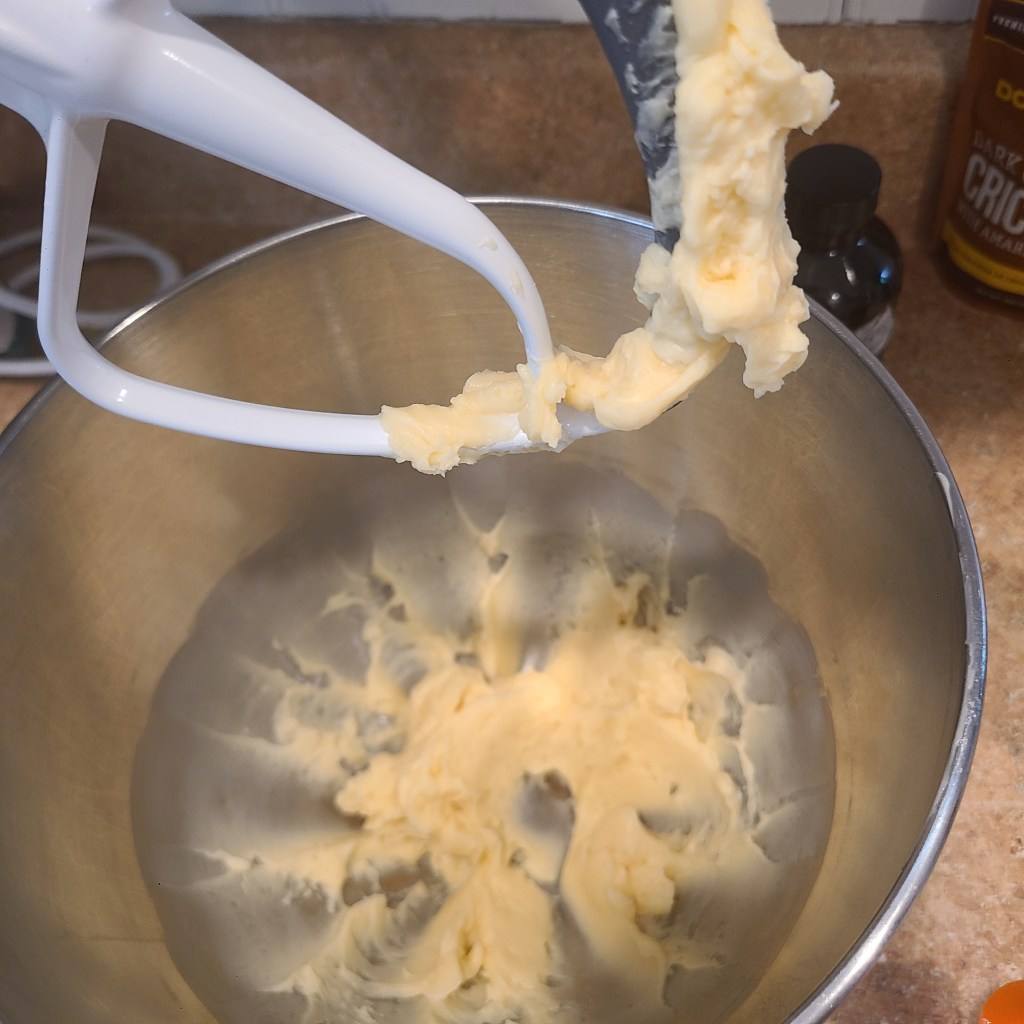
Step 4: In the bowl of your stand mixer with the paddle attachment (or a large bowl with whisk) combine the honey and butter together. Mix until fully combine.
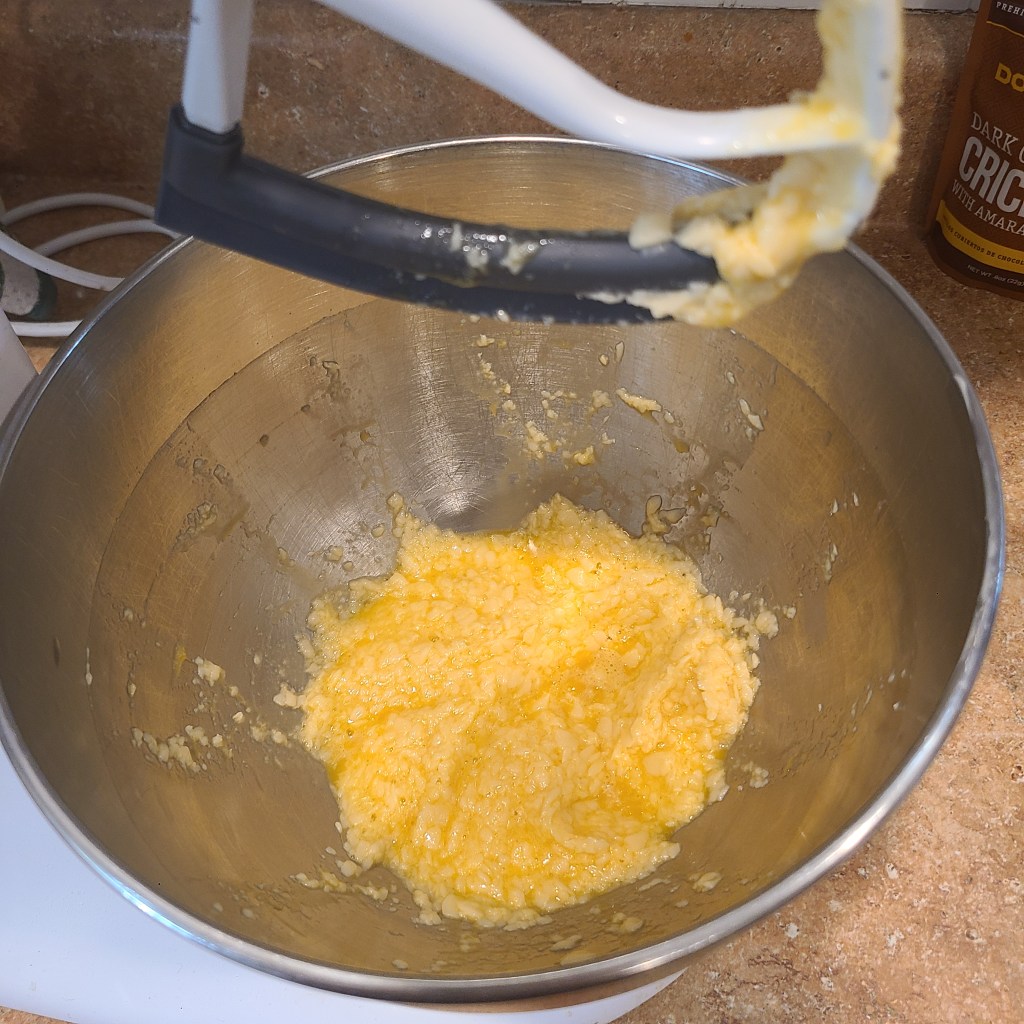
Step 5: Add the egg and vanilla. This will cause the mixture to look curdled, it is ok. Keep mixing and it will come together.
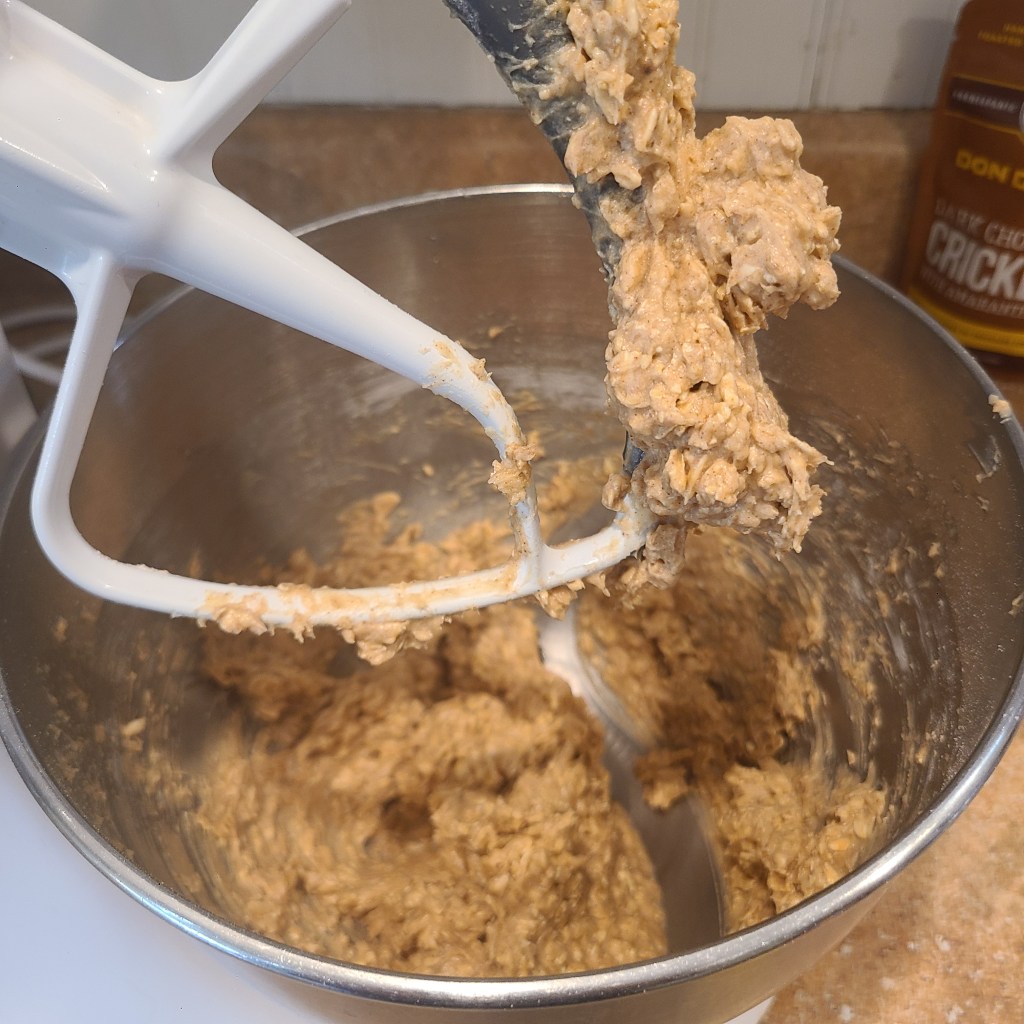
Step 6: Add in your dry ingredients and mix until almost combined (it will finish in the next step).
Step 7: Combine the chocolate chips, cranberries and cacao nibs together so that the chips and cherries are not stuck to each other.
Step 8: Add the mix-ins to the dough and stir until evenly distributed.
Step 9: Using a spoon make 12 balls of about 2 Tablespoons each. Place on a tray about 2 in apart and
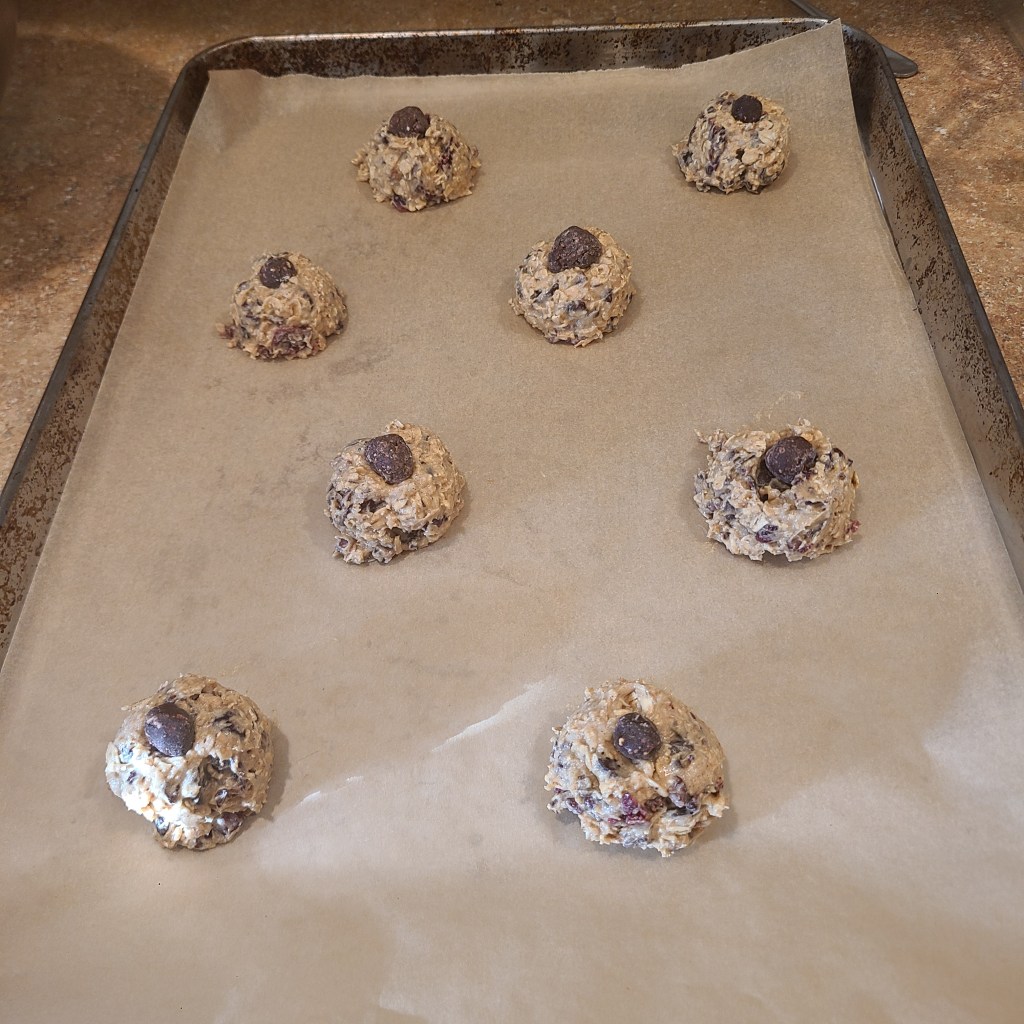
Step 10: Flatten each cookie a bit and place a dark chocolate cricket on top pressing in slightly.
Step 11: Bake for around 12-15 minutes or until the bottom is slightly brown. Pull out of the oven and allow to cool on the tray.

 Rev. Drew Weseman